

Blog
- Early Childhood
- /
- The Living Art of Handwork in Waldorf Kindergarten: A Pedagogical and Anthroposophical Perspective
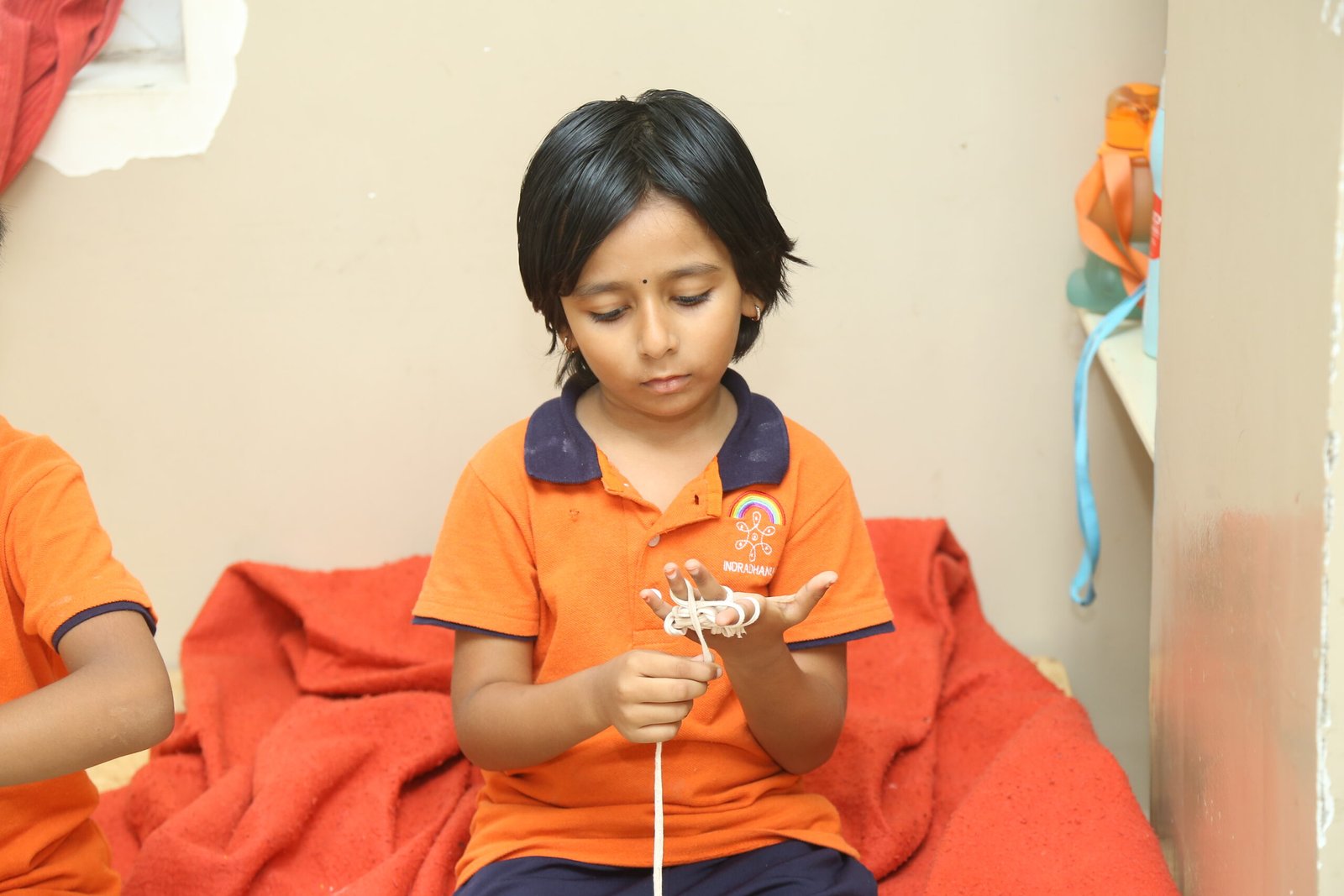
Handwork in Waldorf Early Childhood Education
In Waldorf education, founded by Rudolf Steiner, handwork is not seen as a separate subject but as a living thread woven into the very fabric of early childhood. Rooted in anthroposophy, it is thoughtfully placed in the kindergarten years to awaken and nurture the child's will forces, imagination, and sense of beauty. Whether knitting, sewing, weaving, or finger crocheting, each gesture of the hand becomes a gesture of the soul, harmonising the child's physical, emotional, and cognitive unfolding. In this way, handwork is not merely about acquiring skills, but about helping the young child find harmony and meaning in the world.
The Anthroposophical Foundations of Handwork in Early Childhood
Rudolf Steiner's insights into child development show that the first seven years are a time of imitation, rhythm, and sensory experience. During this period, children learn most deeply through what they do with their bodies, their hands, and their senses. In the Waldorf kindergarten, handwork is offered not as instruction but as a living example. The teacher sits quietly knitting, mending, or preparing materials, and the children, through their natural power of imitation, take up these gestures in their own way. In this simple, quiet atmosphere, the seeds of patience, perseverance, and inner discipline are sown.
Handwork carries an archetypal role in early childhood—it nourishes the will and strengthens the inner life of the child. Each rhythmic movement of the hand brings harmony to the developing organism, supporting the connection of body, soul, and spirit. It is through these experiences that the child inwardly prepares for the intellectual life that will awaken in later school years.
The Pedagogical Gifts of Handwork
In Waldorf kindergartens, handwork unfolds as a gentle yet profound educator of the whole child:
- Motor and Neurological Development: The fine movements of knitting or sewing awaken dexterity and coordination, helping to build the foundation for later writing and reading.
- Cognitive Seeds: Patterns, sequences, and the counting hidden within handwork quietly prepare the child for number sense, logical thinking, and problem-solving, without premature intellectualisation.
- Will Forces and Emotional Strength: The quiet perseverance of finishing a project strengthens the child's will, nurturing resilience and a healthy relationship to effort and achievement.
- A Sense for Beauty: Natural fibres, warm colours, and textures awaken an aesthetic sensibility and a reverence for the beauty of the world.
- Community and Belonging: Handwork often takes place in the quiet companionship of others. In this shared activity, children learn cooperation, rhythm, and respect for one another's efforts.
The Deeper Meaning of Knitting
Knitting holds a special place in the Waldorf kindergarten. Steiner himself pointed to its unique value in engaging both hemispheres of the brain and supporting integration of thought and movement. Yet beyond the physical benefits, the steady rhythm of knitting creates a meditative, calming quality. For the young child, this rhythm is like an echo of nature's own heartbeat—the rising and falling of the sun, the breathing of the earth, the turning of the seasons.
Through the simple act of knitting, children inwardly experience order, harmony, and balance. They are not told these concepts—they live them through their hands, in a way that nourishes the whole being. This is the essence of Waldorf early childhood education: learning not through abstract explanation, but through lived, embodied experience.
Handwork and the "Head, Heart, and Hands" Way of Learning
Waldorf education is often described as an education of head, heart, and hands. In the kindergarten, handwork beautifully embodies this trinity:
- Head (Thinking): The child unconsciously absorbs patterns, sequences, and spatial relationships.
- Heart (Feeling): The warmth of wool, the joy of creating something beautiful, and the pride of giving it as a gift nurture a deep emotional life.
- Hands (Doing): The steady rhythm of crafting builds patience, coordination, and a loving relationship to work.
In handwork, all three are interwoven—thinking, feeling, and doing—so that learning becomes whole and human.
Conclusion
Handwork in Waldorf kindergarten is not simply craftwork, but a way of honouring the child's natural rhythm of growth. It is a practice that nourishes the will, cultivates inner balance, and connects the child to beauty and purpose. In a world increasingly shaped by haste and technology, the quiet, soulful gestures of handwork remind us of what is timeless: the joy of making, the dignity of effort, and the harmony of living creatively with the world.
Through handwork, children grow not only in skill but in spirit, carrying within them seeds of resilience, reverence, and creativity that will accompany them on their journey through school and life.
References
- Waldorf Today: Why Waldorf Students Knit – https://www.waldorftoday.com/2018/10/why-waldorf-students-knit/
- Waldorf Research Institute: Handwork and Its Place in the Curriculum – https://www.waldorfresearchinstitute.org/pdf/Handwork-8-26.pdf
- Handwork Article (Livingston): https://s3.us-east-2.amazonaws.com/waldorf.library.journal.books/Journal_Articles/handworklivingston.pdf