




Indradhanu Waldorf School

Edit Template

About Us

We are Indradhanu

Chennai’s first Waldorf School

And we are committed to bringing an education that serves the physiological, emotional, intellectual and spiritual development of the child. Our high school will be affiliated to the IGCSE Cambridge International curriculum.

Our journey began in 2012 as a small kindergarten class of five in a two-room apartment. What has changed over the years is the size of our school but what hasn’t changed is the laughter and joy that our children bring to us and our deep interest in the child’s well-being and health.

Mission

To help children navigate and find their place in this increasingly chaotic and unstable world. We do that by educating them in layers; by offering them an education that touches and moves them into experiencing and digesting this world through their senses.

Vision

To create a generation of empathetic, responsible, compassionate individuals who remember the ‘human’ in the being, and in that process find confidence, clarity of speech, wisdom in thought, an endless creative vocabulary and a deep communion with the earth and the environment.

Why Waldorf?

The Waldorf curriculum is designed in such a way that it perfectly complements the development of the child, at every stage, evolving with the child itself. It is based on a scientific understanding of how the human body develops – when is the hand ready to hold a pencil, when is the brain ready to absorb intellectual lessons, what happens during puberty and how does that affect my understanding of the world, when is the heart ready to handle emotional stress, how does a growth spurt affect my learning, and so on – and on the individual child’s capacity. The curriculum encourages the child to actively respond to her environment and gives her space to discover her inner and outer worlds in an unhurried, non-competitive, non-judgemental space.


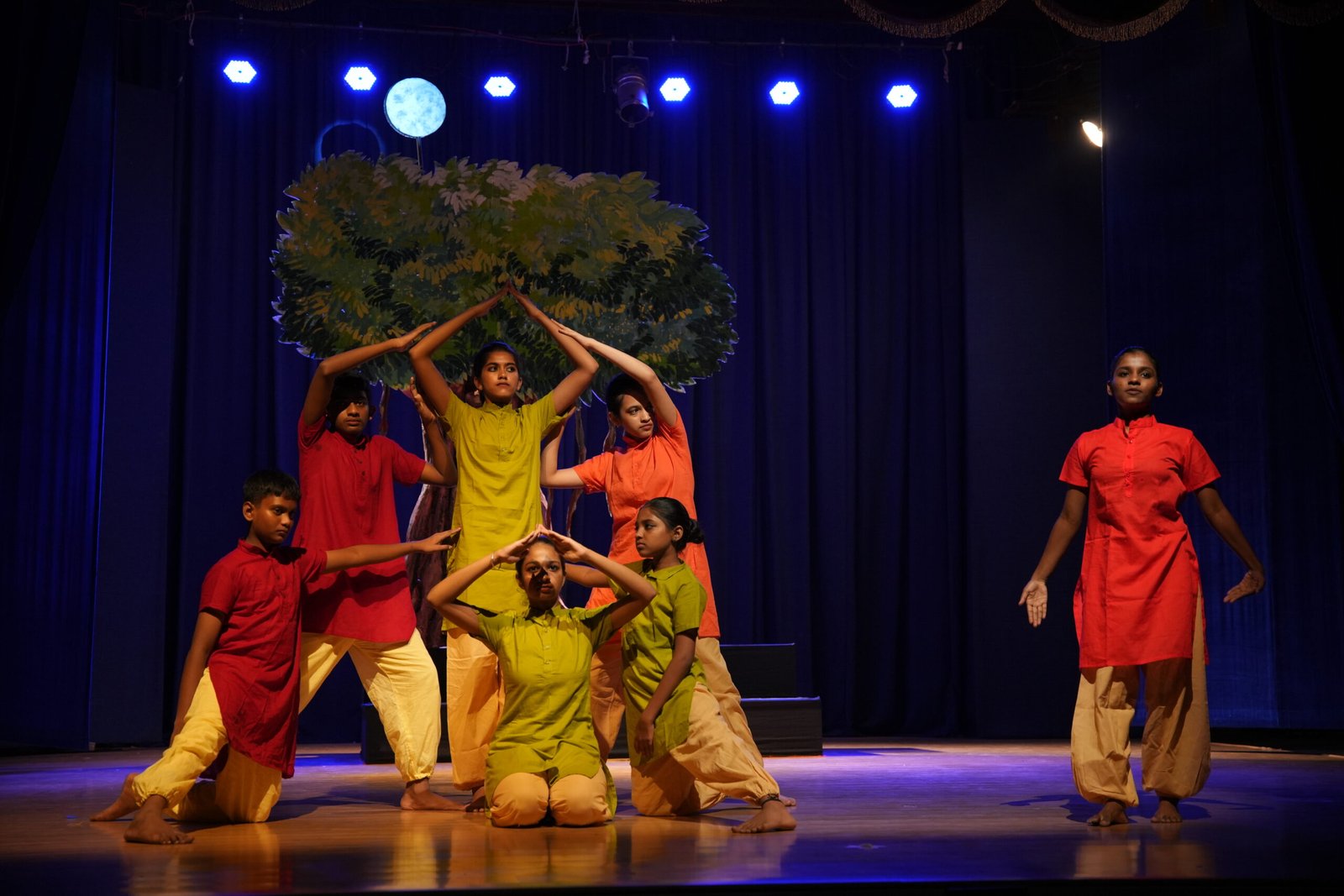
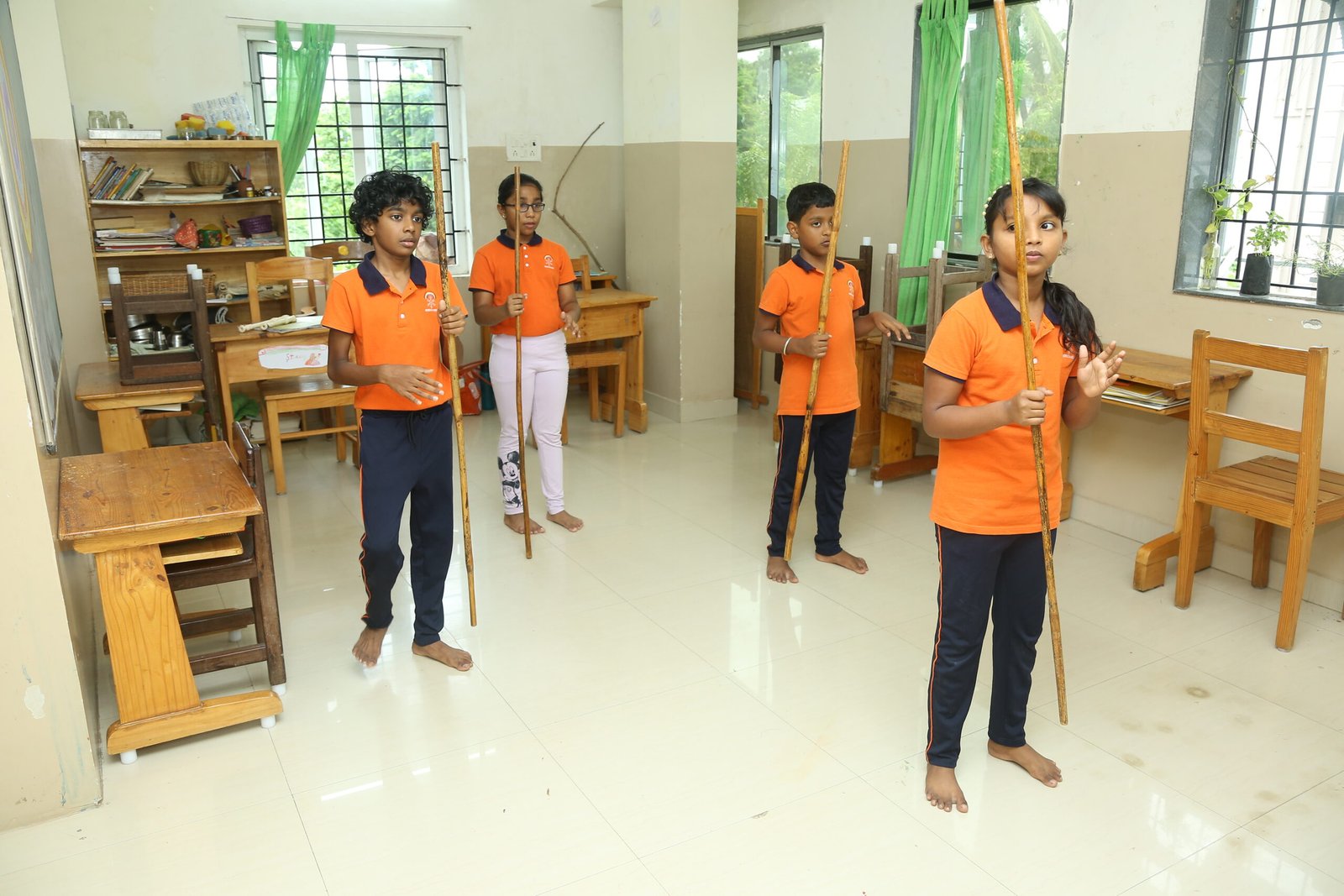
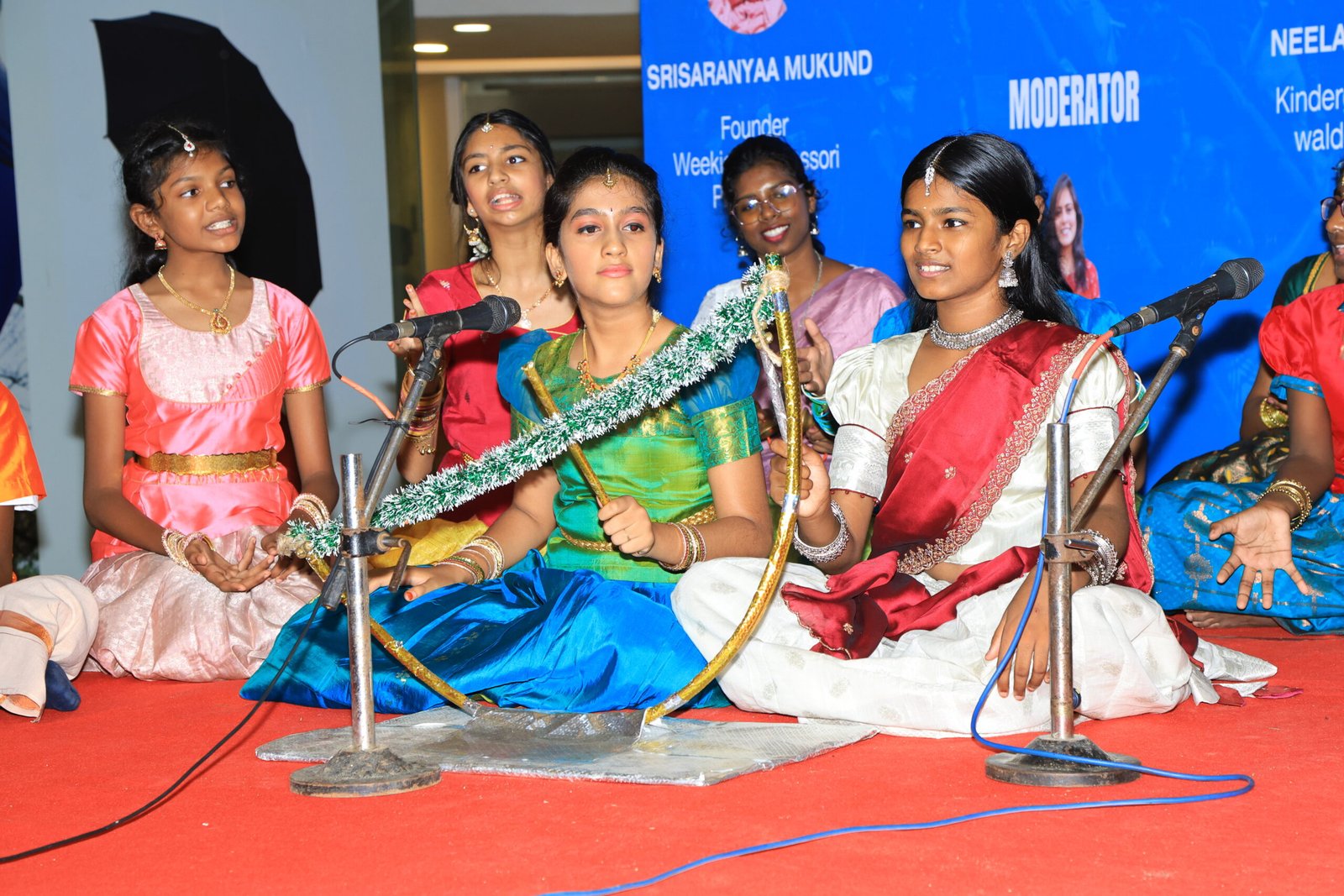
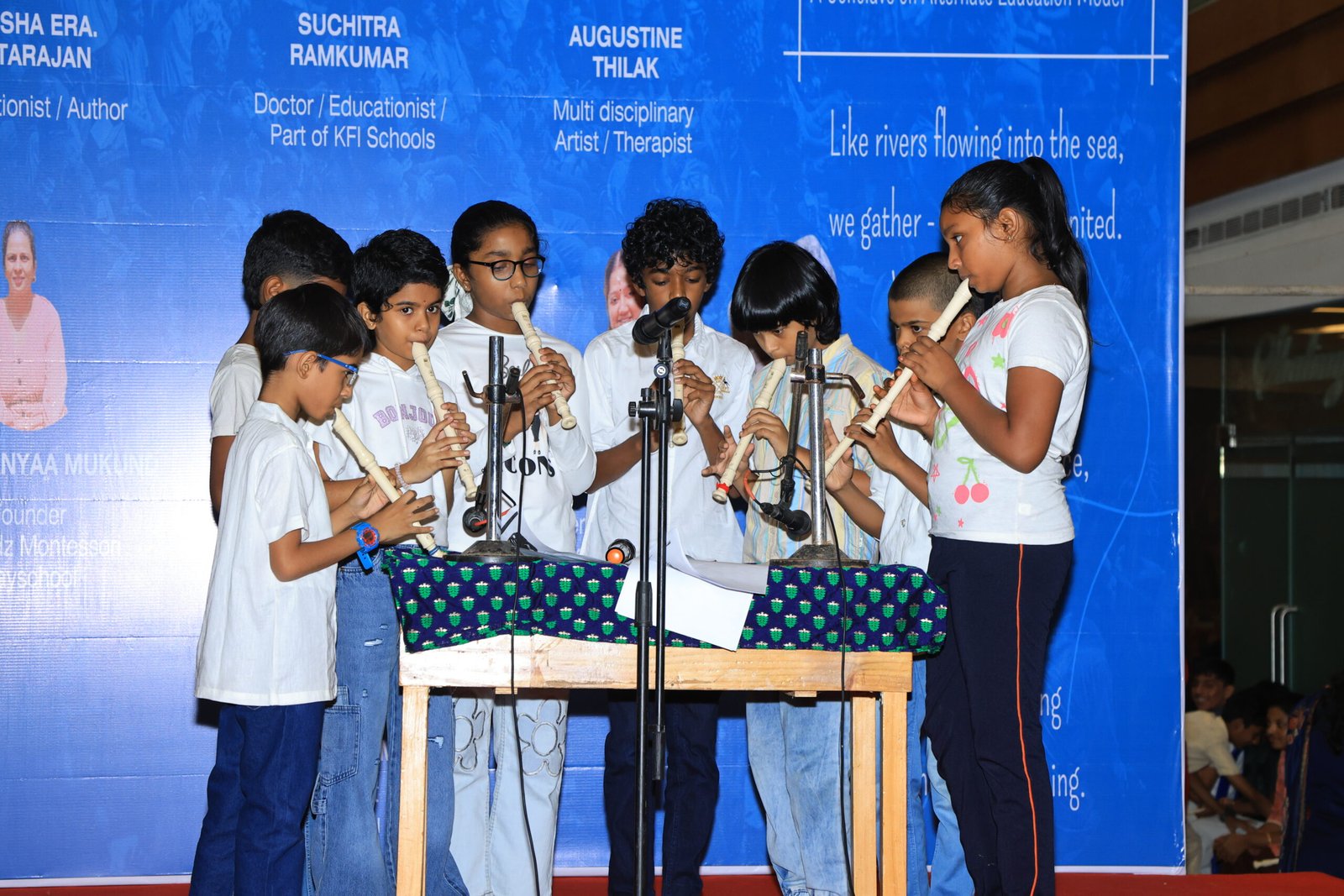
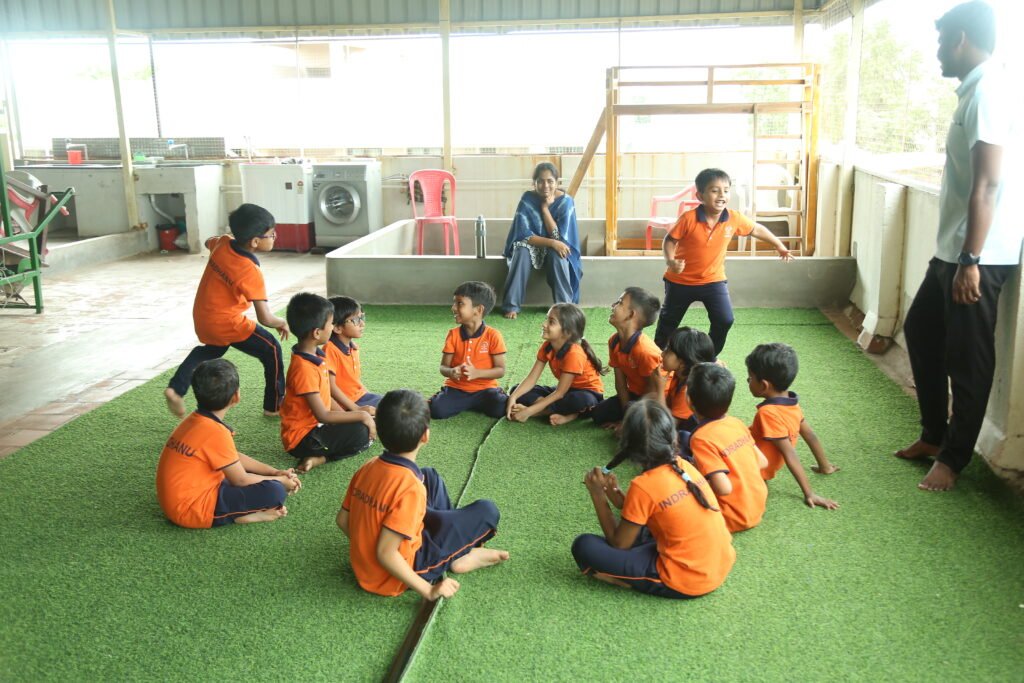
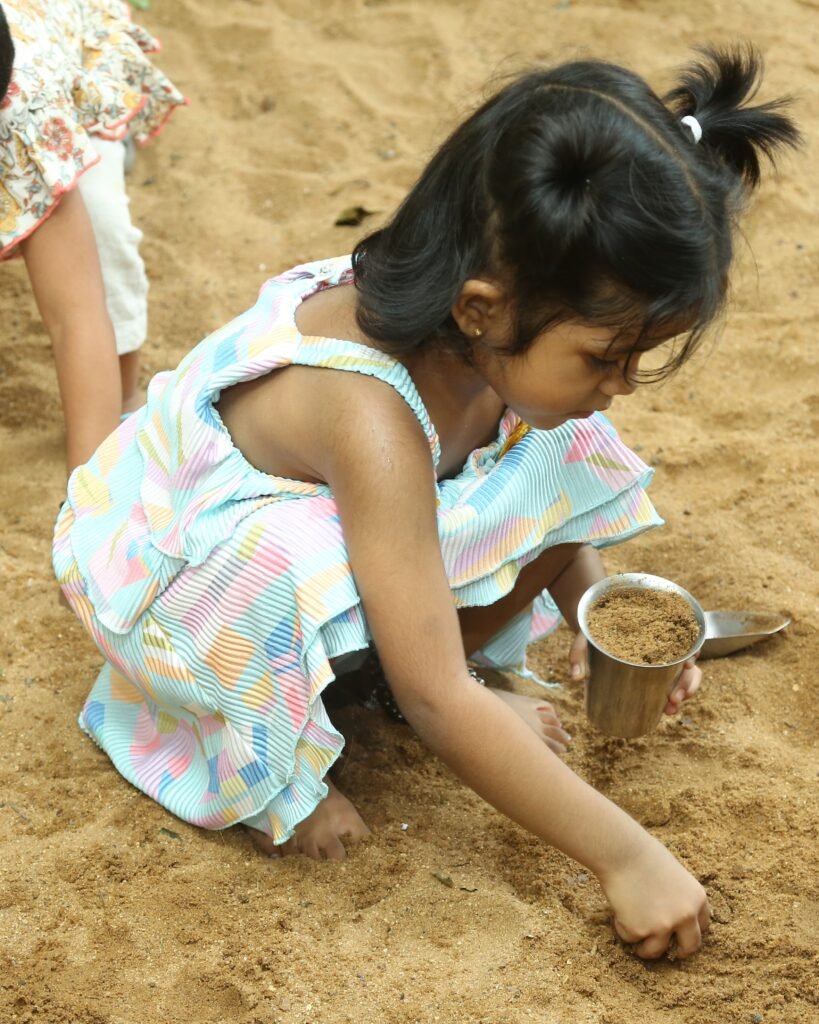
There is an abundance of learning through the creative arts in a Waldorf school, and there have been several recent researches to show how imperative this is for learning. You could ask a kindergarten child, “What did you do in school today?” and the answer you might get is “We sang, painted and played”. But within that simple answer, a complex system of deep academic thought exists. In the Waldorf method, nothing is done arbitrarily; everything carries meaning in relation to the child’s developmental needs. And this is translated into every activity – singing, cooking, free play, painting, beeswax modelling, movement and rhythm. They learn words and languages through music and math through movement and physics through clay. As they go higher up in Grade School, what they learn changes, but the method of engaging all the senses of the child remains. 


Unlike popular misconception, the Waldorf curriculum is very structured. The days, the week, the month and the year follow specific rhythms that help set gentle but firm boundaries for the child, allowing her the freedom to explore without losing sight of this natural, rhythmic flow in her life, much like nature itself – the sky, though endless and vast, still exists between night and day. 


By combining creativity, communication, collaboration, critical thinking and problem solving, imagination, exploration, movement and artistic expression, the Waldorf curriculum creates a richly rewarding academic experience. 

Our Philosophy

Anthroposophy (Greek anthropo meaning human and sophia meaning wisdom) is, as the name suggests, the wisdom of being human, or rather, becoming human in the truest sense of the word. It was founded by Austrian philosopher Rudolf Steiner in the 19th century who believed that the spiritual realm could be accessed with intellectual, comprehensible, scientific tenets – he called it a spiritual science – and need not necessarily remain shrouded in mystery.


He also believed that with this approach there were no limits to human knowledge or human capabilities. Steiner did not only philosophise but brought this understanding into practical everyday life through the arts (movement, music, drama, eurythmy), architecture, bio-dynamic farming, medicine and education.


In 1919, the first batch of teachers were trained by Steiner to help set up a school for the children of those working at the Waldorf-Astoria cigarette factory. That is why, this revolution in education, is called Waldorf.

Meet Our Professional

Joyful Journeys Childcare and the Of a
Education

Dr. S. John Miller

Co-founder and Chairman

Mrs. Saradha Manikantan

Co-founder and Principal

Dr. H. Vidhya Lakshmi

Director of Indradhanu Waldorf School

Guide your child through adolescence with depth, balance and purpose.

Connect with us to learn more about our Middle and High School journey.

Join Our Learning Family